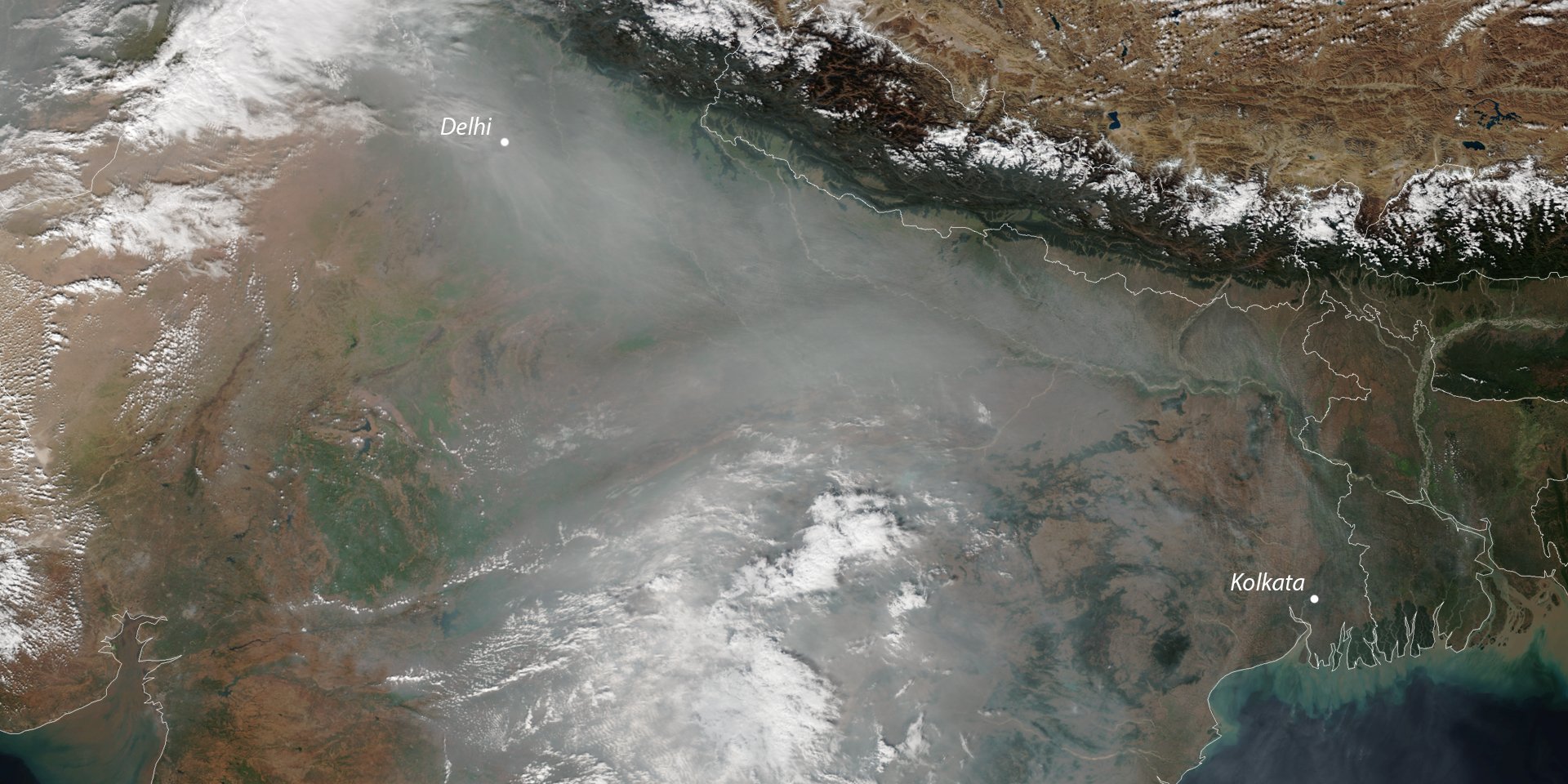
Ahead of Diwali 2026 the Supreme Court allowed certified green crackers to be burst in Delhi-NCR on 7 and 8 November, in fixed hours, and restored the complete ban from 9 November. The order, in Arjun Gopal v. Union of India (2026 INSC 1181), was made by a bench of Justices M.M. Sundresh and Prasanna B. Varale in the long-running firecracker case, W.P.(C) No. 728/2015.
What the Court allowed
- Bursting of certified green crackers on 7 and 8 November 2026, only between 6 am and 7 am and between 8 pm and 10 pm.
- Manufacture, between 2 and 6 November, by makers holding CSIR-NEERI and PESO certification, limited to products listed on the CSIR-NEERI website.
- Temporary restoration of cancelled traders’ licences from 4 to 6 November, so that approved green crackers could be sold.
What stayed banned
Joined crackers (“ladis”) and garlands, crackers containing barium, and any crackers not approved by CSIR-NEERI as green crackers remained prohibited. The Court asked for “No-Cracker Zones” within 300 metres of hospitals, nursing homes, health centres, old-age homes, educational institutions and notified silence zones, and for sale only at designated places.
How it is to be enforced
Manufacturers and traders must furnish a monetary security deposit, which is forfeited if they violate the order. Police and district administrations are to patrol sale points, confiscate illegal crackers and prosecute offenders. The Central Pollution Control Board, with State boards, must monitor air quality before, during and after the festival, and States must report back, including on hospital admissions.
The Court’s reasoning
The Court restated that the right to life under Article 21 includes a healthy, safe and pollution-free environment. It also held that the right to practise religion under Article 25(1) is a qualified right, subject to public order, morality and health, and cannot go beyond constitutional limits.
On the question of a total ban, the Court said it did not have enough data to conclude that a complete ban was the best answer. A complete ban had not produced the results hoped for, mainly because it was poorly enforced, and conventional crackers were still being sold as green ones. It chose strict regulation for a limited period instead, and asked for hospital and mortality data to be collected for later review.
Why it matters
The order treats pollution control and festival practice as a matter of evidence and enforcement, not a binary of ban or permission. How well the conditions are policed, and what the hospital and air-quality data show, will shape what the Court does next year.
Source: 2026 INSC 1181, as reported by Verdictum and SCC Online.