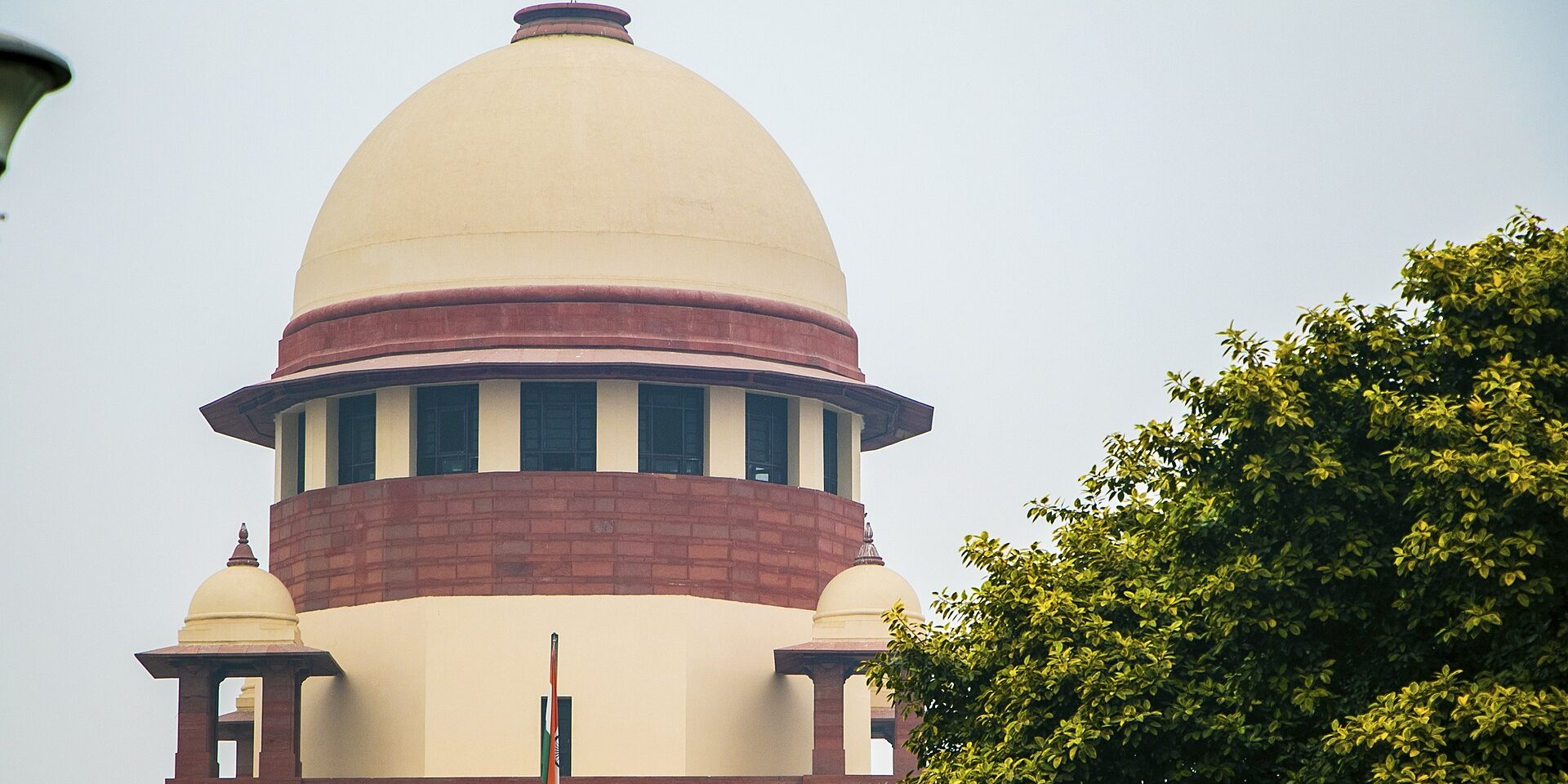
On 29 October 2026, the Supreme Court refused to interfere with High Court orders granting bail to Anil Tuteja, a retired IAS officer of the Chhattisgarh cadre, in fresh corruption cases. A bench of Chief Justice Surya Kant and Justices Joymalya Bagchi and V. Mohana disposed of the State of Chhattisgarh’s appeal, but allowed the State to go back to the High Court if the bail is misused.
What happened
The State challenged High Court orders, passed in December 2025 and January 2026, which released Mr Tuteja on bail. He held senior posts under the previous State government and is under investigation in several matters, including the alleged liquor scam, alleged irregularities in the District Mineral Fund and the coal levy case. These are allegations that have yet to be proved, and he is entitled to the presumption of innocence. The State argued that remarks in the High Court’s orders could prejudice it when charges are framed and cognizance is taken.
What the Court held
- The High Court’s observations were made only for the limited purpose of deciding bail, and the trial court must not be influenced by them.
- If there is any misuse of bail, the State may approach the High Court for cancellation.
- The Chief Justice said there was strong suspicion at this stage, but that suspicion has to be converted into “foolproof evidence”, which depends on the prosecution.
Why it matters
The order keeps bail in place while keeping the State’s remedy open, and it separates bail findings from the trial. It also underlines that in large corruption cases, suspicion is not a substitute for proof at trial. Mr Tuteja had been in custody since 24 January 2024 before he was granted bail. The Supreme Court had earlier granted him bail in the District Mineral Fund case on 18 May.
Source: Supreme Court order of 29 October 2026, as reported by India Today and Verdictum. This summarises those reports, not the order itself.