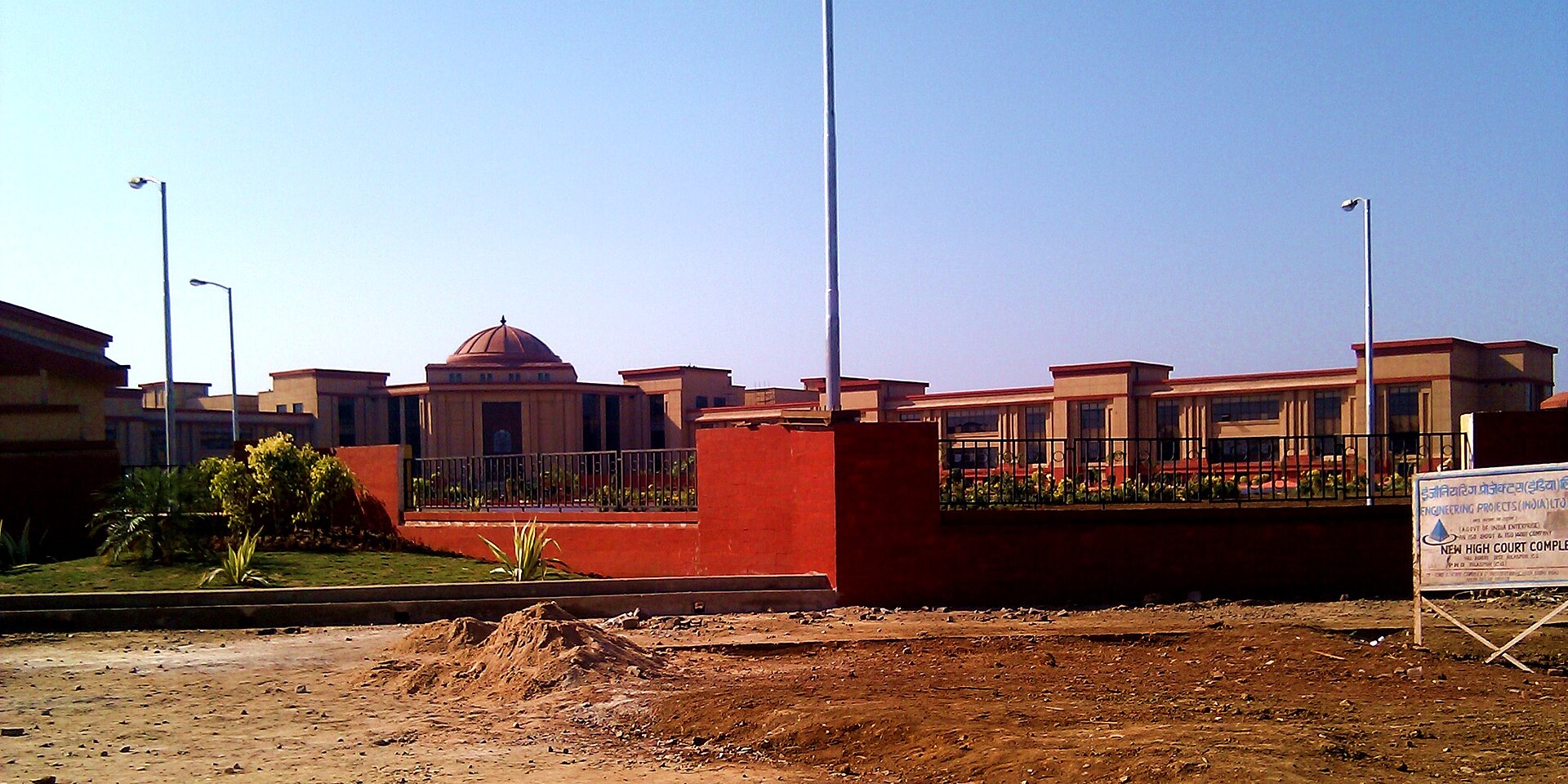
The Chhattisgarh High Court, by an order of 17 November 2026, has held that a mother’s travel in connection with her government job cannot, by itself, be a ground to conclude that she cannot look after her child, or to hand custody to the father. A Division Bench of Justice Parth Prateem Sahu and Justice Sushma Sawant rejected a father’s appeal for guardianship and custody of his teenage son.
What happened
The father had appealed against a Family Court order refusing his application under the Guardians and Wards Act, 1890. The couple’s marriage was dissolved in 2023. Under a Lok Adalat settlement of 13 May 2023, the father agreed to pay Rs 15,000 a month for the child and was given visiting rights every Sunday. He argued that the mother, who works for the government and travels for work, had left the boy with his elderly maternal grandparents, and that the boy’s schooling was suffering. The mother said the child was being properly cared for.
What the Court held
- The welfare and best interests of the child, not the preferential rights of either parent, are the paramount consideration in custody disputes.
- Professional commitments and a shortage of time were not confined to the mother, because the father is also a busy professional, so this was not a sufficient reason to disturb the existing arrangement.
- The father produced no cogent documentary evidence that the child was neglected or that his education had been harmed.
- The Court spoke to the boy, who said he did not want to live with his father. His preference is not decisive on its own, but it deserved due weight.
- Changing custody abruptly on an unsupported apprehension could harm the child’s mental and emotional well-being.
Why it matters
The ruling guards against treating a working mother’s job as evidence of poor parenting. It also shows what a court expects from a parent seeking a change in custody: material that establishes harm to the child, not assumptions about the other parent’s schedule.
Source: order of the Chhattisgarh High Court, 17 November 2026, as reported by The Indian Express and LiveLaw. This summarises those reports, not the judgment itself.